IMPORTANT
Due to technical issues—and to ensure the Inuktitut translation works properly—we moved the Forum to a new Zoom Webinar registration link as of 11:00 AM ET / 8:00 AM PT on March 4.
An email has been sent to all previously registered participants with your updated link to join the Forum.
If you are having trouble joining Day 2 of the Forum, please use the registration link below:
REGISTER HERE
If you have technical difficulties joining the Forum Day 2. Please send an email to admin@indigenousmidwifery.ca
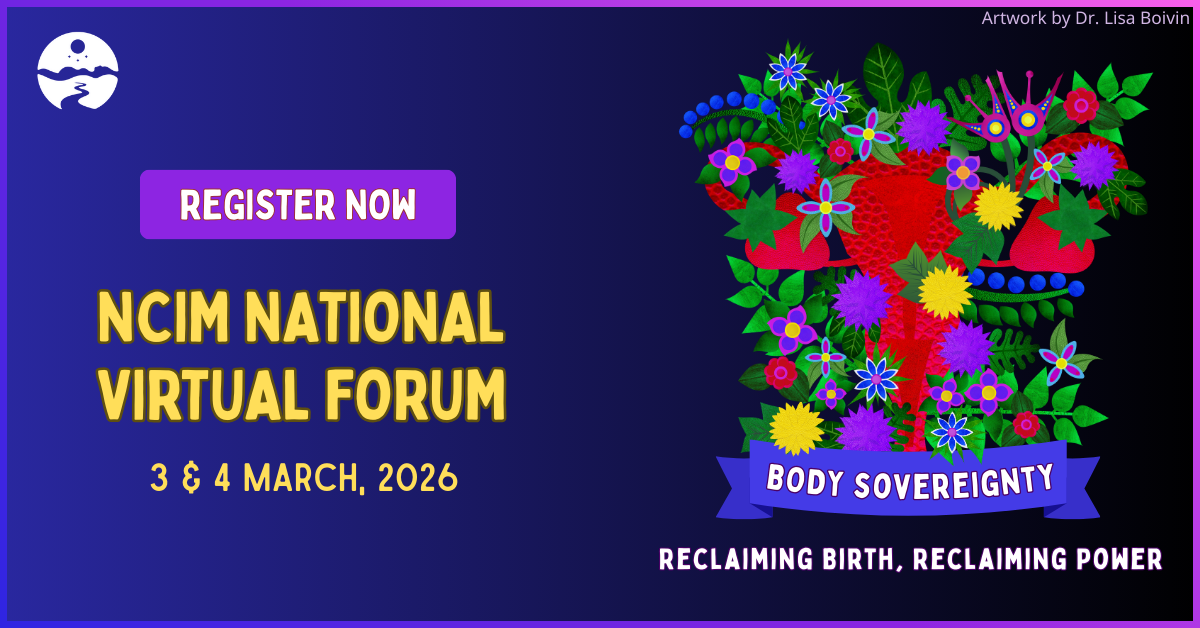
Body Sovereignty: Reclaiming Birth, Reclaiming Power
March 3rd, 2026: 9:00 – 12:30 PST | 12:00 – 15:30 EST
March 4th, 2026: 9:00 – 12:30 PST | 12:00 – 15:30 EST
online event
* Simultaneous translation to Inuktitut
* THIS EVENT IS FREE TO ATTEND
The National Council of Indigenous Midwives invites you join our 2026 National Virtual Forum — Body Sovereignty: Reclaiming Birth, Reclaiming Power, convening Indigenous midwives, students, Elders, youth, survivors, advocates, and allies.
The forum examines systems that regulate and harm Indigenous bodies, including coerced and forced sterilization, birth evacuation policies, colonial regulation of care, pretendianism, and workforce shortages rooted in structural racism. This is a strategic, action-oriented gathering to name harm, amplify survivor voices, share tools, and strengthen pathways toward Indigenous-led, community-based care.
Forum Viewing Circle Resources
Resources for communities and groups who are gathered in person to watch the Forum together.
ACTIVITIES
ADDITIONAL RESOURCES
#BIRTHBACK SOCIAL MEDIA TOOLKIT
DISCUSSION QUESTIONS
BACKGROUND INFORMATION
CARING FOR YOURSELF RESOURCES
Join our Discussion Board and Interactive Map during the Forum!

Forum Schedule
DAY 1 – MARCH 3rd
From Land to Body to Identity
9:00 – 9:20 PT | 12:00 — 12:20 ET
Welcome & Housekeeping
9:20– 9:45 PT | 12:00 — 12:45 ET
Event Opening
Heiltsuk Elder Pauline Waterfall
Learn More
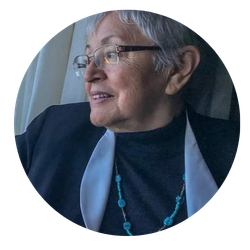
Pauline Waterfall is a Heiltsuk educator and leader from Bella Bella, BC, whose life reflects the ongoing exercise of Indigenous sovereignty. A residential school survivor, she returned home to reclaim her identity and helped renew the potlatch after its 66-year ban. In response to a 98% high school drop-out rate, she co-founded the Bella Bella School Board in 1976 and established Heiltsuk College, enabling generations of students to complete high school at home.
A graduate of UBC’s Indigenous Teacher Education Program, Pauline also advanced Heiltsuk language revitalization while reclaiming her own fluency. She carries forward the legacy of her grandmother Hilistis, a respected scholar and mentor, as a knowledge keeper and champion of her Nation’s cultural renewal.
9:45– 10:15 PT | 12:45 — 1:15 ET
Hide Tanning & Healing Through Land-Based Practice
Alyssa Gagnon, RM
Learn More
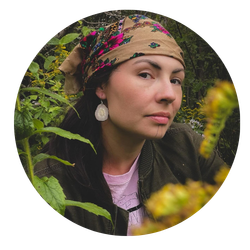
Alyssa Gagnon is an Indigenous midwife registered with Taykwa Tagamou Nation, as well as a parent, artist, hide tanner, and cultural competency provider. Rooted in the lands of her ancestors along James Bay, she is deeply committed to bringing birth back to her community.
Inspired by her grandfather’s experience as a residential school survivor, Alyssa became a midwife to support healing and reclaim traditional birth practices. She is a founding member of the Nîhtahwikiwin (Growth) project, which works with Mushkegowuk Elders to revitalize birth knowledge and establish an Indigenous Midwifery Program in Taykwa Tagamou.
10:10– 10:25 PT | 1:15 — 1:25 ET
Q&A
10:25– 10:55 PT | 1:25 — 1:55 ET
“Show Me the Money”: Reclaiming Birth from Evacuation Costs, Care, & Indigenous Midwifery
Dr. Jennifer Leason
Learn More
This presentation examines the costs and impacts of birth evacuation in Indigenous communities, using policy analysis and national travel data to show how displacement from community affects families, midwives, and care systems. It invites a reimagining of investment in Indigenous-led midwifery and local birth services as a pathway to wellbeing, continuity, and self-determination.
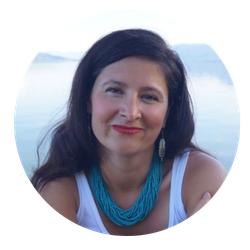
Dr. Jennifer Leason is an off-reserve member of Minegoziibe Anishinabe Pine Creek Indian Band, Manitoba and the proud mother of Lucas and Lucy. Dr. Leason is a Canadian Institute of Health Research (CIHR), Canada Research Chair, Tier II, Indigenous Maternal Child Wellness and an Associate Professor at the University of Calgary. Her research aims to address perinatal and maternal-child health disparities and inequities by examining maternity experiences, healthcare utilization, and social-cultural contexts of Indigenous maternal child wellness.
10:55– 11:05 PT | 1:55 — 2:05 ET
Q&A
11:05– 11:20 PT | 2:05 — 2:20 ET
Break
11:20– 11:30 PT | 2:20 — 2:30 ET
Raffle
11:30– 11:45 PT | 2:30 — 2:45 ET
The Ceremony of Image Making: Piecing Together Understandings of My Birthing Story
Dr. Lisa Boivin
Learn More
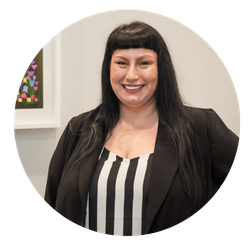
Dr. Lisa Boivin is a member of the Deninu Kųę́ First Nation. She began the March of Dimes Canada Paul J.J. Martin Early Career Professorship at The Department of Occupational Science & Occupational Therapy at Temerty Faculty of Medicine, University of Toronto in December 2025. Lisa will use arts-based research to reimagine rehabilitation science education, with a focus on occupational therapy, from an Indigenous perspective. Her priority is to continue developing culturally safe curricula that is accessible to everyone, but most importantly, community members, clients and patients.
11:45– 11:55 PT | 2:45 — 2:55 ET
Q&A
11:55– 12:10 PT | 2:55 — 3:10 ET
Native Youth Sexual Health Network — You are Made of Medicine Two Spirit Peer Support Manual
Emma Antoine Allan
Learn More
In this session, NYSHN shares You Are Made of Medicine, a peer-led mental health and wellness manual grounded in Indigenous knowledge, reproductive justice, and youth lived experience. Drawing on community advocacy and decades of work addressing geographic racism and access disparities, this presentation highlights culturally rooted, youth-centred approaches to mental health, care, and healing for Indigiqueer, Two-Spirit, LGBTQ+, and gender-diverse Indigenous youth.
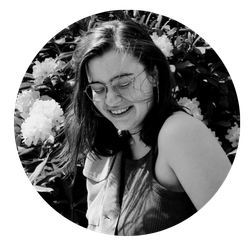
Emma Antoine-Allan is an Anishinaabe youth from Sharbot Lake, Ontario, who grew up in Tkaronto surrounded by their moms, sister, and a strong network of urban Indigenous aunties and cousins. Guided by the teachings of their grandmothers and relatives—including Sue Jackson, Fay Hollywood, and Donna Ladouceur—Emma strives to walk gently with the gifts they have been given.
They have organized with the Native Youth Sexual Health Network since childhood and now work with its core team to advance reproductive justice for Indigenous communities. Currently living in lək̓ʷəŋən territory, Emma studies at the University of Victoria and is committed to being a good relative to the lands, waters, skies, and Nations who care for them.
12:10– 12:20 PT | 3:10 — 3:20 ET
Q&A
12:20– 12:30 PT | 3:20 — 3:30 ET
Raffle & Day 1 Wrap Up
DAY 2 – MARCH 4th
From Harm to Accountability to Futures
9:00 – 9:15 PT | 12:00 — 12:15 ET
Welcome & Housekeeping
9:15– 9:45 PT | 12:15 — 12:45 ET
Survivors Circle for Reproductive Justice — From Harm to Accountability: Survivor Advocacy & Bill S-228
Kahsenniyo Kick & Harmony Redsky
Learn More
The Survivors Circle for Reproductive Justice shares an overview of their work and advocacy in response to forced and coerced sterilization, centering survivor leadership and collective resistance. The session situates Bill S-228 within broader struggles for reproductive justice, accountability, and Indigenous bodily sovereignty.

9:45– 10:00PT | 12:45 — 1:00 ET
Q&A
10:00 – 10:30 PT | 1:00 — 1:30ET
Cultural Safety Starts from Within (Guided Somatic Practice)
Jace Poirier
Learn More
You are invited to make yourself the priority. In this 30-minute session, Jace Poirier Lacerte offers permission to create safety within your own body. Drawing on lived experience of chronic stress and illness, Jace shares practices that supported her journey from illness toward wellness. In this space, pain is gently transmuted into purpose. Participants are offered simple, accessible ways to reconnect with themselves: practices that promote safety, reduce the accumulation of trauma, and support the release of stress held in the body.
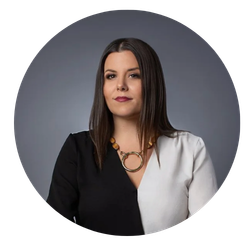
Jace Poirier Lacerte (she/her) is a mixed-heritage Métis educator, social impact strategist, entrepreneur, and mother who lives on the territory of the Lekwungen-speaking peoples. A BC-trained teacher, she has developed nationally recognized STEM curricula and shaped education outreach across Canada, grounded in culturally relevant, trauma-informed, and place-based approaches.
Formerly Shopify’s Global Lead for Indigenous Entrepreneurs, Jace has coached hundreds of Indigenous businesses in support of economic sovereignty. She is the founder of COYA Productions and creator of Rooted Action Analysis™, an Indigenous evaluation methodology aligning impact with values and community wellbeing. In 2025, she launched Family Stewards and is helping lead the vision for the Southern Vancouver Island Birth Centre.
10:30 – 10:45 PT | 1:30 – 1:45 ET
Break
10:45 – 10:50 PT | 1:45 – 1:45 ET
Raffle
10:50 – 11:50 PT | 1:50 – 2:50 ET
Where Our Midwives Are Made: Returning to Indigenous Ways of Learning with Indigenous Midwifery Students
Nilak Ironhawk-Tommy, Cristina Savard Saviakjuk, Kim Bridle & Emma White
Learn More
Join Indigenous midwifery students from community-based programs from coast to coast to coast as they share how midwives are being trained within their own Nations and territories. From Inuit and Innu midwifery education to Indigenous Midwifery Education (IME) programs, this session highlights the power of land-based learning, language, culture, and community leadership in shaping the next generation of Indigenous midwives.
The session will conclude with a Q&A featuring Indigenous midwifery students, offering space for dialogue, reflection, and connection.
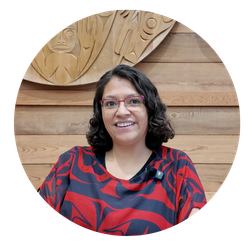
Nilak Ironhawk-Tommy is a licensed practical nurse with nearly two decades of service with Cowichan Tribes and Island Health, integrating Indigenous and Western approaches to community care. Since 2019, she has supported maternal, child, youth, and family wellness through culturally grounded programs with Hwialusmutul’s Community Health Team.
Now studying Indigenous midwifery with the National Council of Indigenous Midwives’ Indigenous Midwifery Education Program, she is committed to reclaiming and revitalizing ancestral birth practices. Rooted in her Cowichan worldview and guided by generations of birth workers in her family, her work centres Indigenous self-determination and the health of her community.
Christina Savard Saviakjuk will speak as a student from the Inuulitsivik Midwifery Education Program.
Based in Nunavik, the Inuulitsivik Midwifery Education Program is a community-rooted, clinically based training model that integrates Inuit traditional knowledge with modern medicine. Since the opening of the Puvirnituq maternity ward in 1986—and later in Salluit and Inukjuak—Inuit midwives have helped bring birth back to the North, with over 90% of Hudson Coast births now taking place in Nunavik.
Recognized by Québec’s Ministry of Health since 2008, the program prepares student midwives through hands-on clinical practice under senior midwife supervision. Graduates are recognized by the Ordre des sages-femmes du Québec, strengthening Inuit-led maternity care grounded in language, culture, and community.
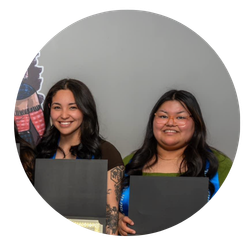
Emma White and Kim Bridle are Innu student midwives with the Innu Round Table Secretariat’s Innu Midwifery Education Program. Emma is a member of Mushuau Innu First Nation, and Kim is a member of Sheshatshiu Innu First Nation and lives in Happy Valley–Goose Bay.
Both are committed to strengthening culturally safe, community-based birth care for Innu families. Inspired by personal experiences, ancestral teachings, and the desire to keep families together during pregnancy and birth, they are training to provide informed choice, continuity of care, and meaningful, culturally grounded birth experiences in their communities.
11:50 – 12:05 PT | 2:50 – 3:05 ET
Q&A
12:05 – 12:25 PT | 3:05 – 3:25 ET
Event Closing
Heiltsuk Elder Pauline Waterfall
12:25 – 12:30 PT | 3:25 – 3:40 ET
Raffle & Wrap Up
Thank you to our Partners
Thank you to our Friends